How I’m Growing Booger Kit, a $29.99 STEM Kit That Helps Kids Stop Picking Their Nose
Every agency says it knows how to grow your business. Ask how many of them are running a product of their own right now and the room gets quiet.
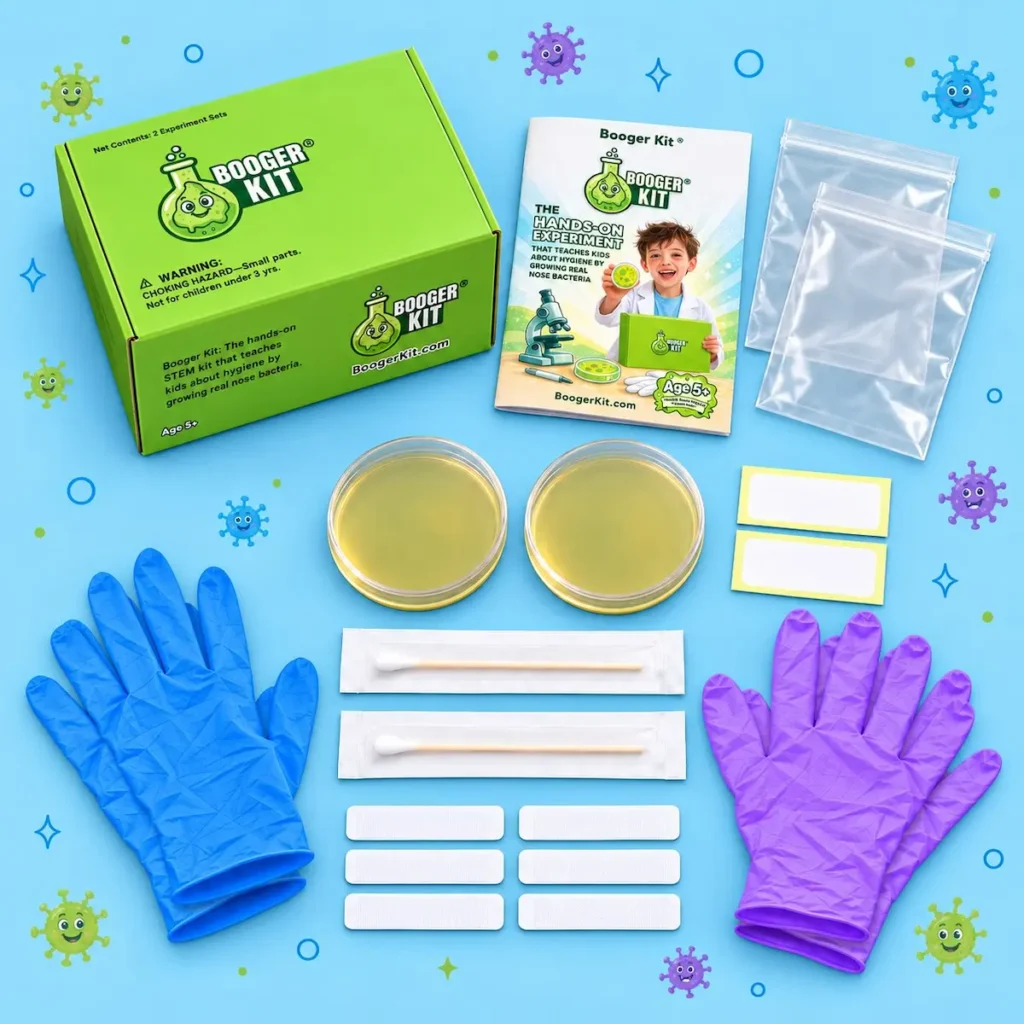
At Hunley Media, we test our playbook on ourselves first. So this is the first entry in a running series where I write down, in public, what’s working and what isn’t on a product I own and operate: Booger Kit, a STEM science kit for kids ages 5+ that helps them stop picking their nose. Yes, really.
What it is
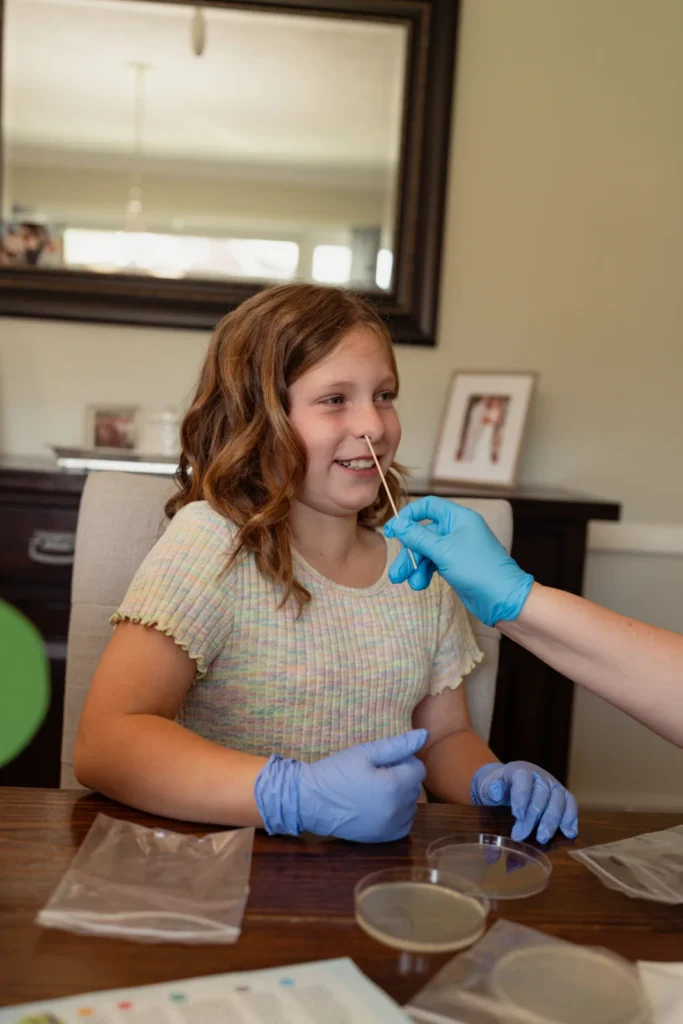
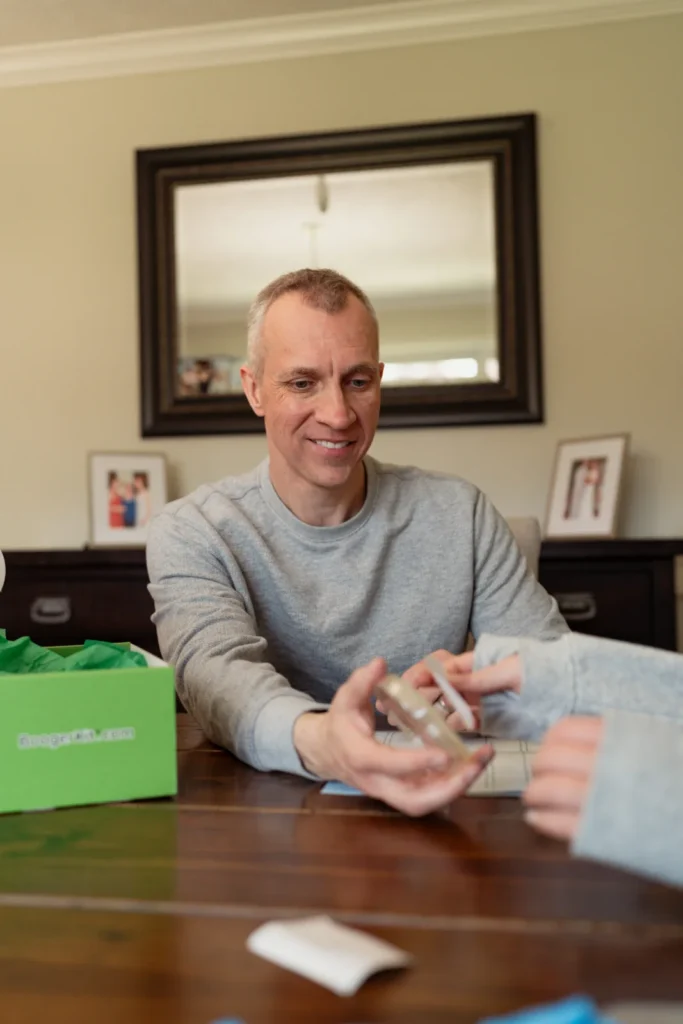
An adult swabs the inside of a child’s nose, seals the sample in a petri dish of nutrient agar, and over the next two weeks the family watches real bacteria colonies grow. It’s gross, it’s real science, and it turns “stop picking your nose” from a nagging match into a conversation. The idea came from watching a room full of kids at my daughter’s school play. Half of them had a finger in their nose. In public. Some of these kids were on stage. That’s when it hit me: this is a huge problem, and no one has ever been incredibly successful at monetizing it.
Why it’s a good test
Because it’s hard. That’s the point.
- A $29.99 consumer product. Thin margins and no room for an expensive ad budget to cover up weak positioning.
- Perishable inventory. Pre-poured agar dishes have a shelf life, so I can’t overbuy and wait for demand.
- A trust problem. I’m asking parents to grow bacteria from their kid’s nose on the kitchen counter. Every unanswered question is a lost sale.
Most businesses I walk into have the same problems in a different shape.
The system
1. Lead with the problem parents actually search
Parents rarely search for “microbiology kit for kids.” They search “how do I get my kid to stop picking their nose.” So that’s the headline on the site, and the blog is built around the exact questions parents type: why kids pick, what boogers are made of, which nose-picking deterrents fail and why. The product shows up as the answer, not the pitch.
2. Price to clear free shipping
The kit is $29.99 and free shipping starts at $29.99. One kit clears the threshold, so there’s no surprise cost at checkout, which is one of the most common reasons people abandon a cart.
3. Build the second sale into the first
Each kit runs two experiments. Kids always want to swab something else next: a sibling, a parent, the TV remote. The Upgrade Pack of refill dishes and swabs ships free when it’s added to a kit order, so the next purchase happens in the same cart.
4. Answer every objection before it’s asked
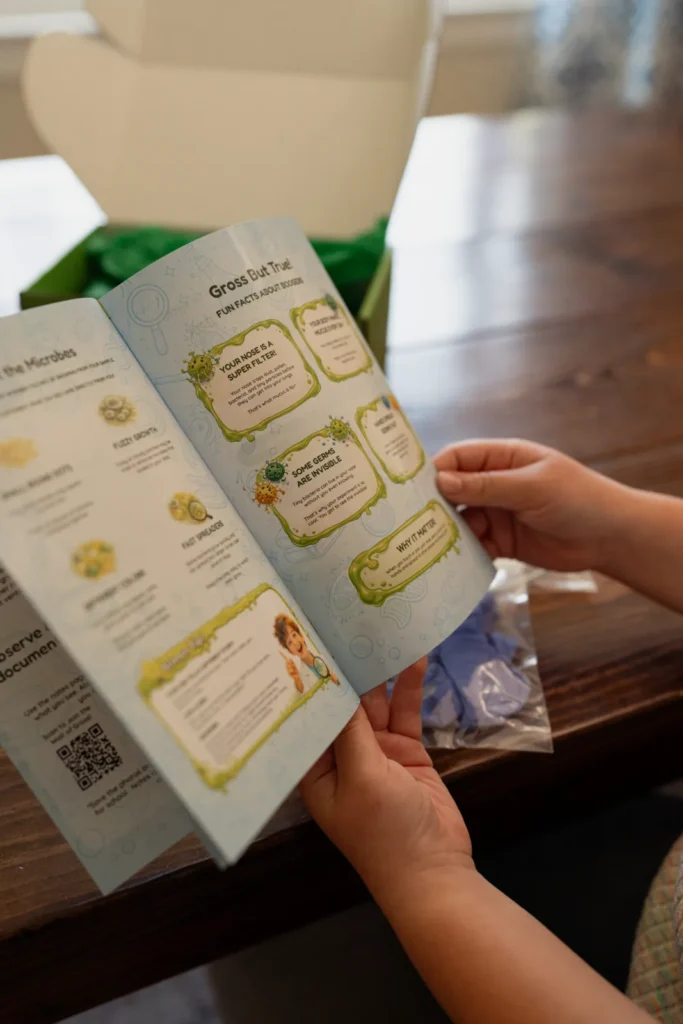
Is it safe? What actually grows? What if the dish gets opened? How do I throw it away? The FAQ answers every one of them in plain language, and the same answers are marked up with structured data so Google and AI assistants can quote them. When a parent asks ChatGPT for a science gift for a 7-year-old, I want Booger Kit in the answer. The operations back it up too: sealed dishes, nitrile gloves for kid and adult, a shipping box that doubles as the incubator, and free replacements for anything that arrives damaged.
5. Open more than one channel
Parents are the core buyer, but they aren’t the only one. Two dishes per kit make it a natural fit for science fairs and classrooms, so bulk and purchase-order requests have their own path. On the press side, I answer journalist requests on sourcing platforms like Qwoted and Featured.com, where reporters look for experts on parenting, STEM education, and gift guides. That’s distribution I don’t have to buy.
What I’ll report back
In the next entries I’ll share what actually moved the needle:
- Which search topics and AI answers drive real traffic
- Which press pitches landed and which didn’t
- How many first orders turn into a second one
- What I’d change if I started over
I’ll share revenue when there’s something worth sharing. Until then, the process is the useful part.

Why this matters if you run a business
This is the same sequence we run inside client companies: find the problem your buyer is actually trying to solve, remove the friction, build the next sale into the first one, answer objections before they cost you, and stop depending on a single channel. The only difference is that here, I’m the client.
If your growth has stalled and you’re tired of reports that tell you what to do without doing it, that’s exactly what Hunley Media is for.